
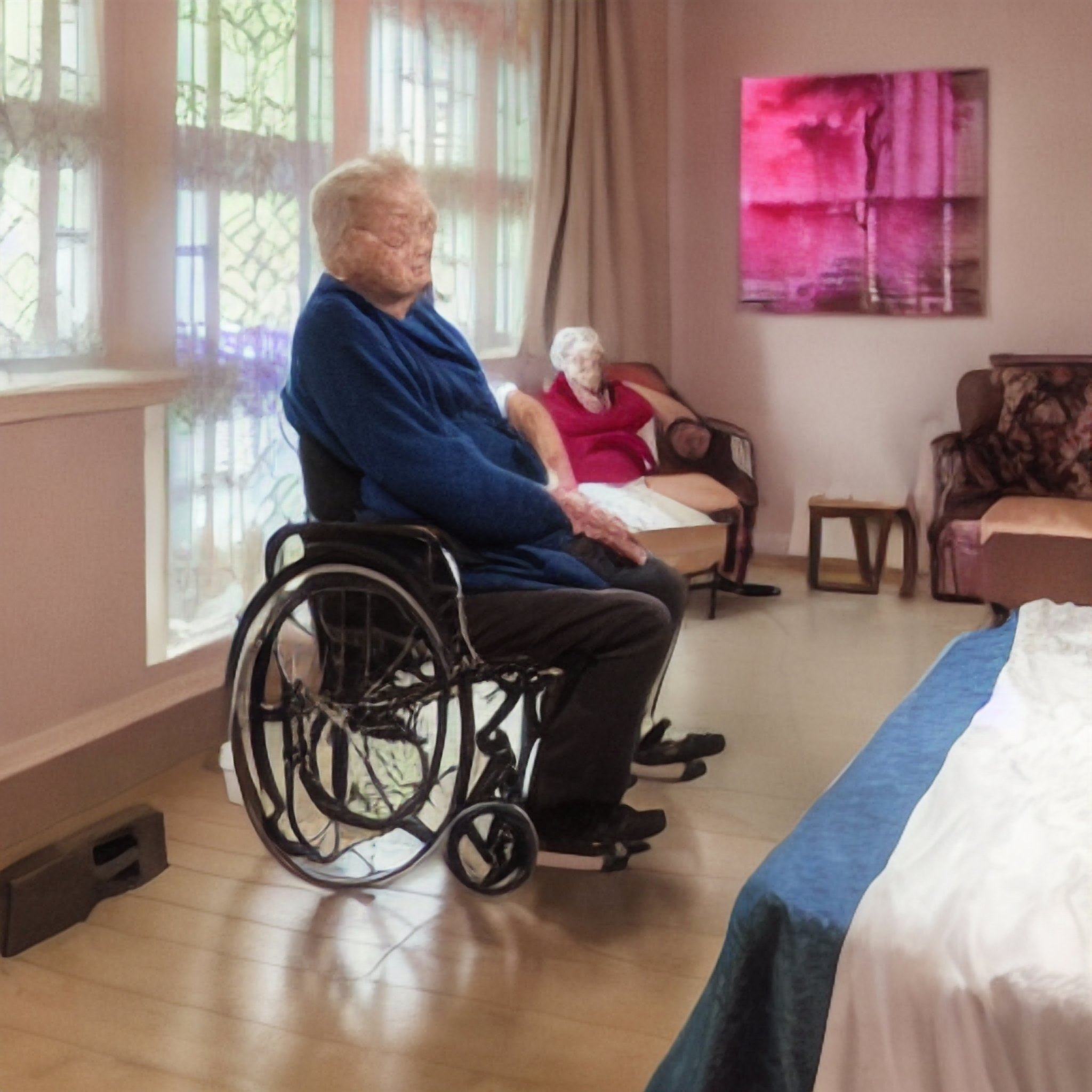
At some point in our lives, we all grapple with the concept of death. It’s a universal experience, yet one that is often shrouded in fear and misunderstanding. BJ Miller, a physician specializing in hospice and palliative care, offers profound insights on how we can approach the end of life with dignity and grace. Through his experiences, he highlights the importance of compassion, the need for a human-centered healthcare system, and the value of finding beauty in our final moments.
Understanding Our Relationship with Death
For many, the thought of death evokes anxiety and fear. BJ Miller’s journey began when he experienced a near-fatal accident during his college years. This incident not only changed his physical body but also transformed his understanding of life and death. He emphasizes that at the heart of our fear lies the fear of suffering, rather than the fear of being dead. Recognizing this distinction can help alleviate some of the anxiety surrounding death.
Miller’s perspective is shaped by his own experiences as a patient. He knows firsthand the struggles that come with chronic illness and the healthcare system’s shortcomings. This unique viewpoint enables him to advocate for a more compassionate approach to end-of-life care, one that prioritizes the patient’s experience over the disease itself.
The Flaws in Our Healthcare System
One of the fundamental issues Miller addresses is the design of our healthcare system, which often prioritizes diseases over people. This disconnect leads to unnecessary suffering, particularly at the end of life. He advocates for a shift in focus, urging us to redesign healthcare to be more human-centered. The goal should be to relieve suffering, not add to it.
For instance, hospitals, while essential for treating acute illnesses, are often not conducive environments for dying. They can be sterile and overwhelming, filled with beeping machines and harsh lighting that strip away the dignity of the dying process. Miller argues that we need to create spaces that honor life and death, allowing individuals to experience their final moments in a more natural and comforting setting.
The Importance of Perspective
Perspective plays a crucial role in how we experience life and death. After his accident, Miller chose to study art history, seeking to learn how to see the world differently. This shift in perspective allowed him to appreciate the beauty in life, even amidst suffering. He encourages us to embrace the notion that life can be rich and full, even as we face death.
One of the rituals at the Zen Hospice Project, where Miller works, exemplifies this shift in perspective. When a resident dies, the staff and family members take a moment to pause and reflect, sharing stories or music as they sprinkle flower petals over the body. This simple act transforms a moment of grief into one of warmth and connection, contrasting sharply with the impersonal nature of hospital death.
Creating Meaningful Experiences
Throughout his career, Miller has learned that the little things in life are often the most important. He shares stories of patients like Jeanette, who, despite her illness, yearns to smoke French cigarettes simply to feel her lungs fill with air again. For another patient, Kate, the presence of her dog at her bedside brings immense comfort. These desires highlight the need for healthcare professionals to understand what truly matters to their patients, focusing on dignity and sensory experiences.
In a hospice setting, baking cookies becomes more than just a culinary activity; it’s a means of providing comfort and connection. The smell of fresh cookies can evoke memories and feelings of home, reminding patients of their humanity, even when faced with terminal illness. This approach emphasizes the importance of nurturing the senses, which can profoundly impact the quality of life for those at the end of their journey.
Designing a New Approach to Dying
Miller believes that we have an opportunity to redesign how we approach death and dying. This involves not only changing the physical spaces where we die but also altering the societal perceptions of death. By focusing on well-being rather than merely alleviating suffering, we can create a more holistic approach to end-of-life care.
This new approach should be grounded in compassion and creativity, allowing individuals to express themselves and find joy in their remaining time. Miller encourages us to think about death not as a failure but as an essential part of life. If we can embrace this perspective, we may discover new ways to celebrate life, even as it comes to an end.
Embracing the Inevitable
Ultimately, the lessons from BJ Miller’s experiences remind us that death is not something to be feared, but rather an integral part of the human experience. By acknowledging our mortality, we can learn to live more fully and appreciate the moments we have. Miller’s story teaches us that while we cannot avoid death, we can choose how we approach it.
As we navigate our own lives, it is essential to foster open conversations about death, allowing us to confront our fears and prepare for the inevitable. In doing so, we can create a culture that honors life and death, providing comfort and dignity to those who are facing their final moments.
Conclusion: Redefining Our Final Moments
The journey of life inevitably leads us to death, but it is how we approach this transition that can make all the difference. BJ Miller’s insights challenge us to rethink our understanding of dying, urging us to create systems and spaces that prioritize human experience over clinical detachment. By embracing the beauty of life, even in its final moments, we can transform our perceptions of death and cultivate a more compassionate society.
As we reflect on these lessons, let us remember that our final moments can be filled with love, respect, and dignity. By fostering meaningful connections and cherishing the little things, we can make the end of life a profound and beautiful experience.
