
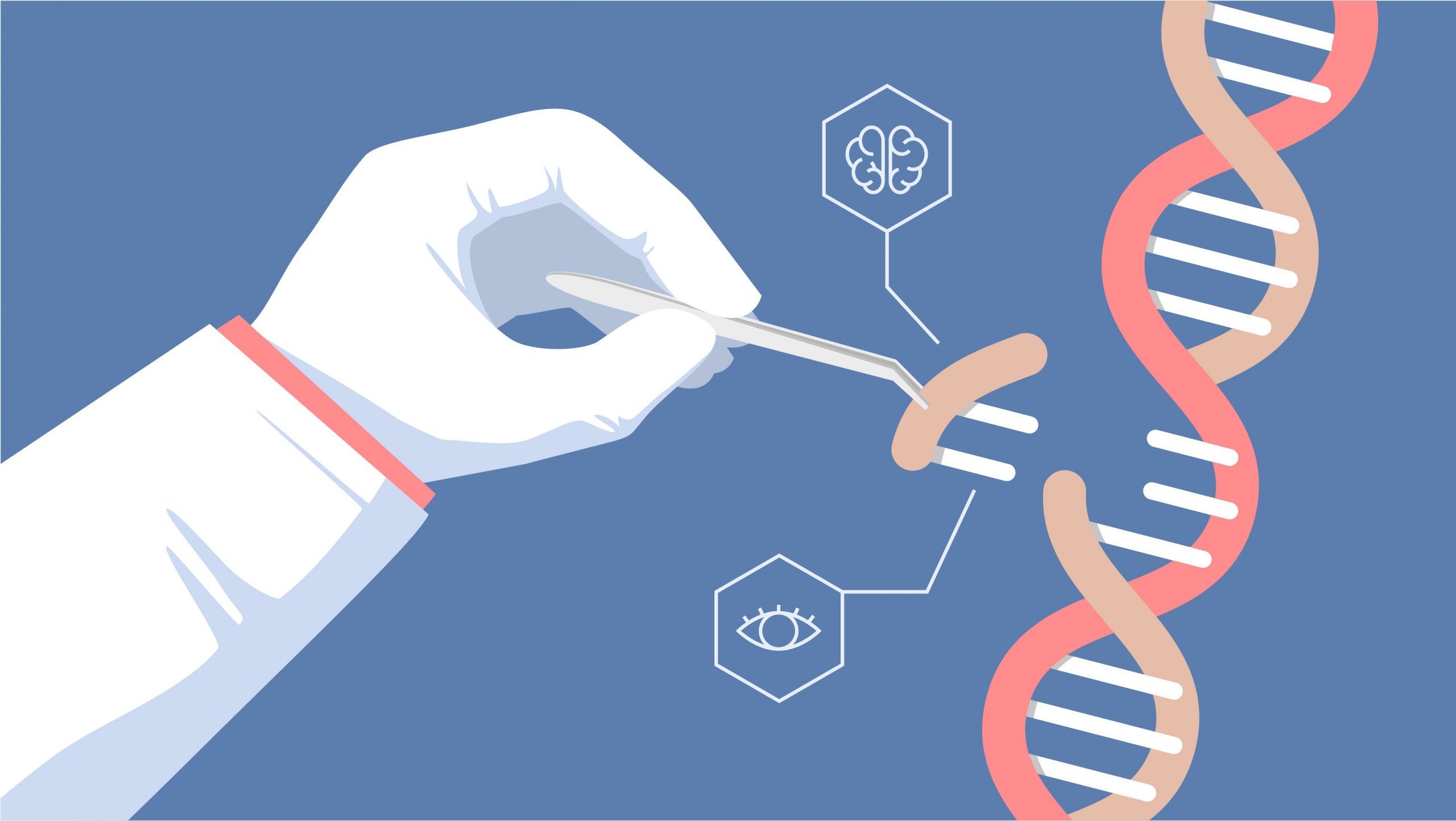
A new technique used for repairing genes in human embryos that prevent inherited diseases
New technique uses a gene-editing tool to correct a disease-causing gene mutation in human embryos and stop it from passing to future generations
- CRISPR, which stands for clustered regularly interspaced short palindromic repeats, holds promise for correcting mutations in the human genome to prevent genetic disease.
- Using an enzyme called Cas9, it’s possible to snip a specific target sequence on a mutant gene.
- The new study found that human embryos effectively repair these breaks in the mutant gene using the normal copy of this gene from a second parent as a template.
- The resulting embryos contain now repaired, mutation-free copies of this gene. The technique already has been used in animals for generating mutant models; however, the new study is the first to demonstrate that the technique can be used in human embryos to convert mutant genes back to normal.
“By using this technique, it’s possible to reduce the burden of this heritable disease on the family and eventually the human population.”
Immunology Community
Dr.Mohammed Almorish.Ph.D.
in Molecular Immunology

Magnificent beat ! I would like to apprentice even as you amend your web site, how can i subscribe for a weblog site? The account helped me a acceptable deal. I have been a little bit familiar of this your broadcast offered shiny clear concept