
We build immunity to a disease by developing antibodies that can neutralize or destroy the disease-carrying organism. The antibody production could be induced when one gets infected with the organism or by vaccination with a part of the disease-causing organism. Mostly, the antibodies produced from infection could be life-long as in the case of chickenpox. Ordinarily, naturally acquired immunity is preferred except for the fact that one needs to be infected and even get sick.
In COVID-19, it appears “… that protection is better following immunization and is likely longer-lasting following immunization than after infection,” Dr. Blumberg said. It has been realized that immunity from natural infection starts to decline after 6 to 8 months. We know that fully vaccinated people still have good immunity after a year—and probably longer.
With the new technology in developing and producing COVID-19 vaccines, the world was blessed in the shortest time ever to get vaccines to control the COVID-19 pandemic. so far most of the approved vaccines come in two doses except others like what has been produced by Johnson and Johnson which is said to be a single-dose vaccine.
It is advisable to guard against delaying the second dose if at all possible. However, like with other vaccines, the second COVID-19 vaccination is a booster shot. This increases your level of protection by further teaching your body what the virus looks like, so it can respond quickly. As with other vaccinations, there’s no indication that a delay in receiving the booster shot reduces effectiveness. The timing of the second shot is not strictly critical. The CDC advises that you can receive the second COVID-19 vaccine up to 42 days (or 6 weeks) after the first dose. Generally, with the two-dose COVID-19 vaccines, both doses are needed to reach full immunity. The level of protection increases dramatically – from 52% to 95% – after the second shot. It’s also unclear whether the lower level of immunity from just one shot would last long. A recent CDC study looked at people age 65 and older and found that protection increased from 64% to 94% after full vaccination.
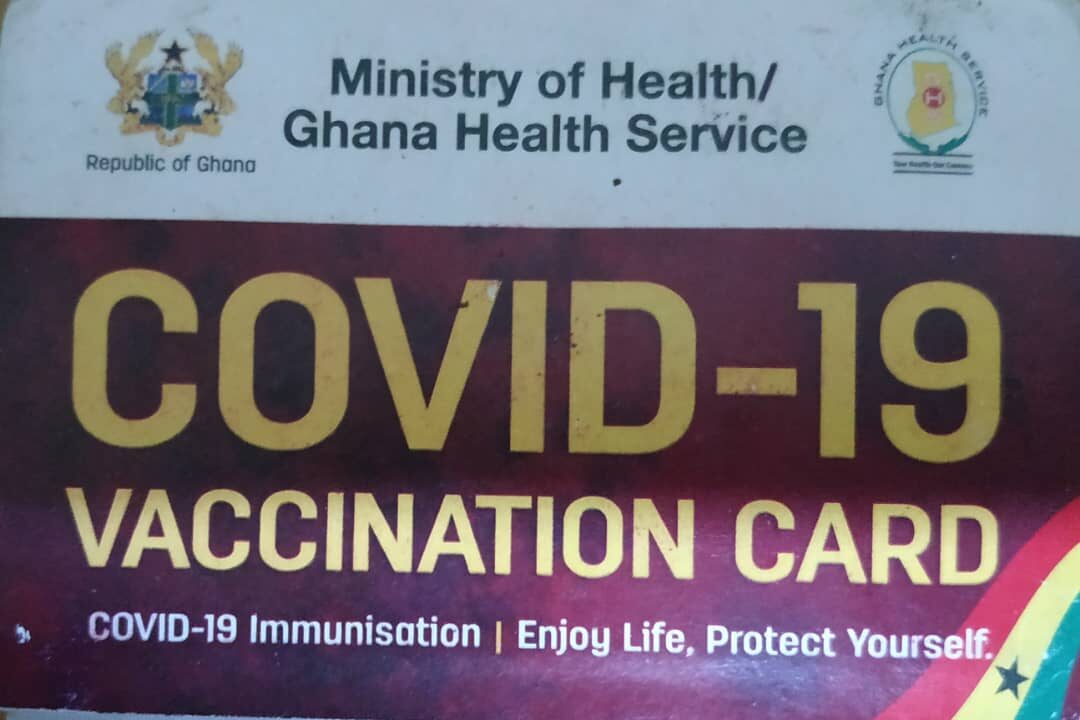
Ghana after introducing Astrazeneca’s covid-19 vaccine chose a dosing interval of 8-12 weeks for the second dose. Due to the challenges of getting more vaccines to dose the populace, some have even majority of the people who have received the first dose need are in the 12-15 weeks period waiting for a second dose as of 18th June 2021.
The question many are asking is the implication of further delay on those who have already taken the first dose and the impact on the entire nation in our quest to fight the pandemic and win. Though a recent study out of the United Kingdom found that lengthening AstraZeneca’s dosing interval to 12 weeks or more was more effective against COVID-19 than administering the doses six weeks apart, one may not want to take for chances bearing in mind the dynamics that come to play with novel pathogens.
Technically, if the first dose of the vaccine is not giving protection to more than 54%, then one would not want to take chances with the dosing schedule and end up having a population that is as better as those not vaccinated. With the evidence available now, the antibodies from COVID-19 vaccines can still be found at good levels after 8 months of vaccination.
Although there is no data available on this, some health experts also caution that if enough people miss a second vaccine, their lower immunity level would allow the virus to survive. This could allow it to mutate even more and become vaccine-resistant, a situation that will not benefit anyone. In fact, such a situation might make the fight against the virus difficult and costly.
In the worst-case scenario and hazarding a guess, Ghana should try as much as possible to ensure all those who have started with the first dose of the COVID-19 vaccine get the second dose by September 2021. We do not want to have a population that is virtually not vaccinated while we contribute to the production of vaccine-resistant strains of the virus.

Buy Cialis Online Usa